Why Do I Need Labels Printed for My Products?
A product label does more than carry a logo. It tells customers what they are holding, how to use it, and what details deserve attention. When people search “i need labels printed,” they may be preparing a first small batch or updating packaging for a growing product line. Either way, the label needs to fit the product, not just look attractive on a screen.
Think about a jar on a damp kitchen counter, a box moving through a warehouse, or a bottle handled throughout the day. Material, adhesive, size, and print quality can affect how well the label stays readable and attached. Clear text and accurate product details help customers make informed choices. Depending on the product and where it is sold, specific labeling requirements may also apply; confirm them with reliable, current sources before printing.
A test run helps. Print a sample, apply it to the actual package, and check it under ordinary lighting. Look for blurred small text, peeling corners, or colors that shift from your design. These checks are practical, but they cannot guarantee every batch will behave the same way. I have to admit, a label that looks perfect on a monitor can disappoint in real use. That is worth remembering. Careful planning can reduce waste, strengthen a brand’s presentation, and make everyday product information easier to find.

What Information Product Labels Provide
A product label is a compact source of practical information. It can identify what is inside, state the net quantity, explain storage needs, and show a batch or lot code. For a jar of sauce, that may mean checking allergens, reading “refrigerate after opening,” and finding the lot number near the lid. Small details matter. A hard-to-read date or cramped ingredient list can leave buyers guessing.
The information shoppers value is not merely decorative. Label Insight’s 2016 Transparency ROI Study surveyed 2,000 U.S. consumers; 94% said complete transparency made them more likely to be loyal to a brand. That result reflects stated preferences, not proof that a label alone creates trust. Still, clear ingredient and sourcing details can help people compare products and make choices suited to their needs. Plain language helps. Tiny print does not.
Labels also support product handling and traceability. GS1’s Global Traceability Standard describes how businesses identify products and share relevant supply-chain data. A consistent lot code can help connect a package to production records when questions arise. The code is useful only when records are accurate and easy to retrieve. A label cannot explain every detail, and wording can still be confusing; reviewing it from a shopper’s perspective is a worthwhile habit.
How Labels Identify Products and Support Traceability
Labels do more than display a product name. They help workers, retailers, and customers distinguish similar items quickly. A clear product name, size, variant, and item number can prevent two nearly identical cartons from being confused. Keep key details readable, even when a package is small.
For traceability, labels connect a physical product to useful production records. A batch or lot code, production date, and scannable barcode can help staff locate related inventory. If a customer reports a damaged item, these details may help a business identify which units need checking. The label only works when its information matches the records behind it. A typo can send a search in the wrong direction.
Think about a busy packing bench: boxes move, hands are occupied, and labels may be scanned under uneven light. Place codes where they are easy to see and scan. Choose print that stays legible through ordinary handling, storage, and shipping. Test a sample on the actual packaging. A code that looks sharp on a screen can blur on a curved or textured surface. Labels are not perfect records by themselves. They need accurate data, consistent application, and occasional review.
Why Do I Need Labels Printed for My Products? - How Labels Identify Products and Support Traceability
| Product Example | Useful Label Information | Illustrative Label Data | How It Supports Identification and Traceability |
|---|---|---|---|
| Packaged food | Product name, lot code, packed-on date, best-before date, barcode | Lot: F260814A Packed: 14 Aug 2026 Best before: 14 Feb 2027 |
Distinguishes a production run from other runs and helps staff locate affected stock if a quality issue is reported. |
| Cosmetic product | Product type, batch number, net contents, ingredient information, responsible-party details | Batch: C0826-17 Net contents: 50 mL |
Connects the unit to its manufacturing records and provides product information needed for handling, sale, and customer inquiries. |
| Electrical component | Part number, serial number, model, electrical ratings, barcode or QR code | Part: EC-240 Serial: 260814-00482 Input: 24 V DC |
Identifies an individual unit or model and can help match it to inspection, repair, and shipment records. |
| Medical device accessory | Device or catalog number, lot or serial number, expiration date when applicable, UDI when required | Catalog: MD-310 Lot: L260801 UDI: encoded identifier |
Supports accurate product recognition and helps link labeled units to distribution and quality records. Applicable labeling requirements depend on the product and market. |
| Shipping carton | Item number, quantity, lot code, ship-to details, logistics barcode | Item: PK-120 Quantity: 24 units Lot: F260814A |
Makes cartons easier to scan, sort, receive, and connect with the products and lots inside. |
Examples are illustrative. Label content and required identifiers vary by product, distribution channel, and applicable regulations.
How Labels Communicate Safety and Regulatory Requirements
A product label is more than a name on a package. It can tell people what is inside, how to use the item safely, and what precautions matter. For a household cleaner, that might mean clear directions, a hazard warning, and instructions to keep it away from children. For a packaged food, ingredient and allergen information can help someone make an informed choice. Small details matter.
Labels also carry information that supports regulatory compliance. Depending on the product and market, required details may include net quantity, material or ingredient declarations, manufacturer contact information, batch codes, or expiry dates. Requirements differ, so businesses should check current rules for each product category and sales location rather than reuse one label everywhere. A batch code, for instance, can help identify affected goods if a quality issue arises. Clear type, strong contrast, and durable ink help keep key information readable during shipping and everyday handling.
A label can look polished and still leave a safety gap. Tiny print, vague directions, or a warning placed near a fold may make essential information hard to notice. It is worth reviewing the label on the actual package, not only on a computer screen. Ask someone unfamiliar with the product to find its main warning quickly. Their hesitation can reveal what needs another look.
How Printed Labels Build Brand Recognition and Guide Purchases
Printed labels do more than identify what is inside a package. On a crowded shelf, consistent colors, type styles, and symbols can help shoppers recognize a product again. Clear product names and readable descriptions also reduce guesswork. Someone comparing two jars can spot the flavor, size, or intended use faster when those details appear in predictable places. Familiarity matters. Clarity earns trust.
A useful label gives the eye a path: product name first, key benefit next, then practical details such as quantity or directions. Strong contrast and readable type help text stand out under store lighting. Keep claims specific and supportable; vague promises can confuse buyers. Material matters, too. A label on a chilled bottle may need to resist condensation, while a paper carton faces different handling conditions. Test a printed sample on the actual package. Colors can shift, and tiny text may look fine on screen but fail in hand. That happens.
Tips: Use one visual cue consistently, such as a color or small icon. Check readability at arm’s length, then ask someone unfamiliar with the product what they notice first. If they miss an important detail, revise the layout.
Why Printed Product Labels Matter
Packaging design can influence purchase decisions. Clear, well-designed labels help products stand out and make key information easier to find.
Source: 2016 U.S. consumer survey conducted by Ipsos for the Paper and Packaging Board. Results relate to packaging overall, not labels alone.
How to Choose Label Materials and Printing Methods
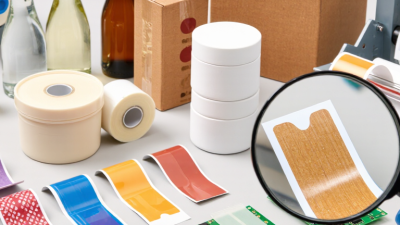
Choosing label materials starts with the product’s journey, not its shelf appearance. Paper labels suit dry, indoor packaging and can offer a natural texture. Film materials, such as polypropylene, often handle moisture, scuffs, and chilled storage better. Check the container, too: a curved glass jar may need a flexible label and adhesive that grips through condensation. The wrong choice shows quickly.
Smithers estimated global label demand at about 72.8 billion square metres in 2022 in its report The Future of Labels and Release Liners to 2028. That scale reflects many formats, not one universal solution. For short runs, variable details, or frequent design changes, digital printing can be practical. Flexographic printing often suits longer runs and consistent artwork. Thermal printing works well for variable information, but label and ribbon compatibility matters. Test the actual combination; sample sheets can behave differently on a production line.
Tips: Apply a sample to the real package, then chill, rub, and leave it overnight. Check edge lift and legibility. Ask the printer about ink resistance, minimum order quantities, and finish options. A glossy finish may look polished, but glare can make small text harder to read. My first material choice is not always right; testing is worth the extra step.